
Living Legacy Planning
Preserve your story while you are here to tell it. Sacred Legacy Memorial Concierge helps individuals and families capture life stories, family history, personal wisdom, photographs, values, memories, and final wishes through legacy interviews, life story writing, legacy books, ethical wills, legacy letters, video legacy messages, and memorial pre-planning.
Living Legacy Planning Services
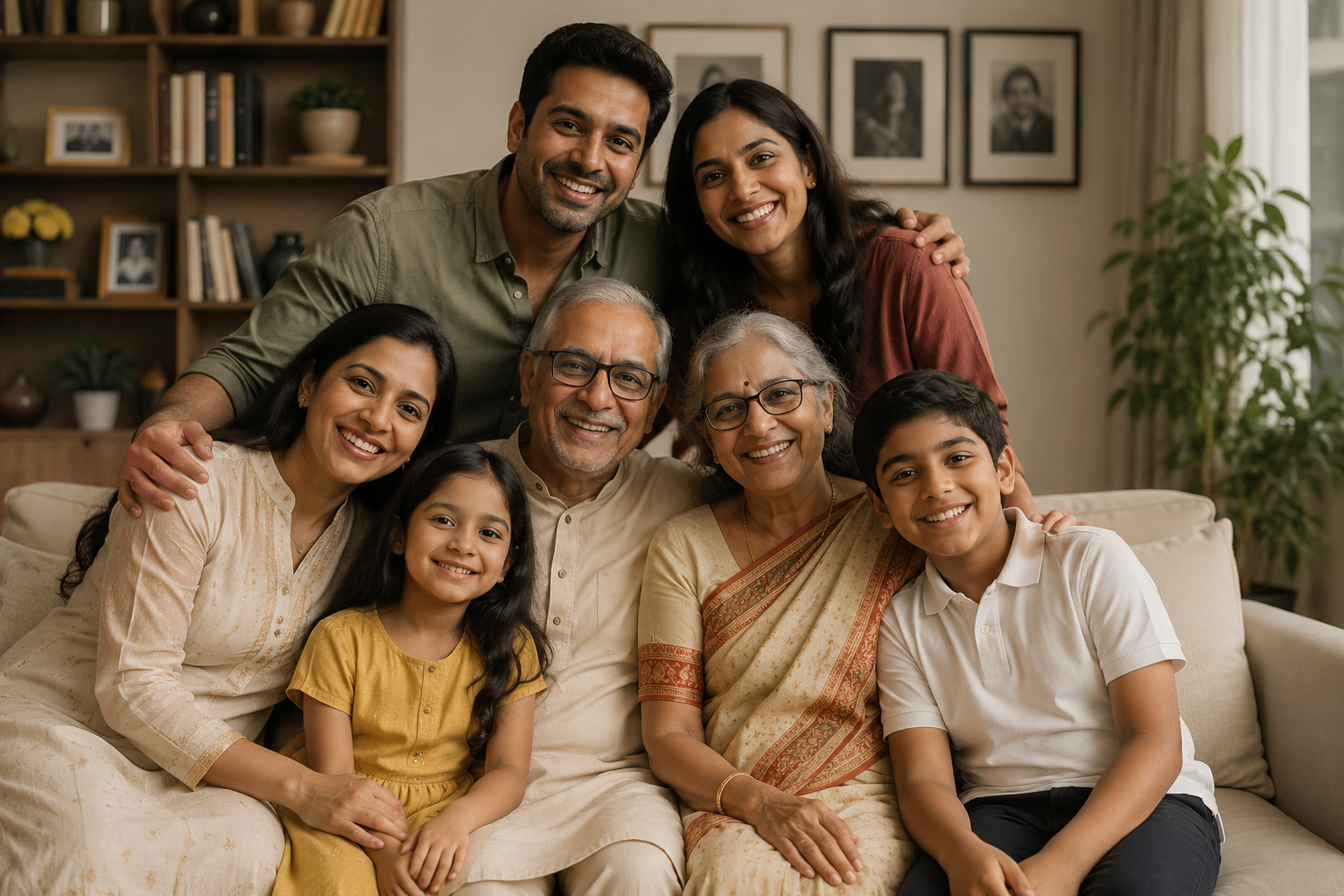
Every life carries a story. Some stories are spoken often around the dinner table, some are tucked away inside old photographs, some live in the memories of grandparents, parents, spouses, siblings, veterans, caregivers, ministers, entrepreneurs, and family elders, and some have never been fully told at all. Living Legacy Planning gives individuals and families the opportunity to preserve those stories before they are lost, forgotten, or left for others to piece together later.
At Sacred Legacy Memorial Concierge, Living Legacy Planning is a thoughtful, deeply personal service designed to help people document their life, preserve their family history, express their values, share their wisdom, and leave behind meaningful keepsakes for future generations. This service is not only for those who are elderly or nearing the end of life. It is for anyone who understands that their story matters and wants to make sure their family, children, grandchildren, loved ones, and future descendants have access to the memories, experiences, and lessons that shaped them.
Many families wait until after a loss to gather stories, write an obituary, organize photographs, or ask important questions. By then, the person who lived the story is no longer present to tell it in their own words. Living Legacy Planning changes that. It allows the individual to be the storyteller. It allows their voice, personality, humor, faith, perspective, and personal reflections to guide the way their life is remembered.
This service can be used to create a written life story, a legacy book, a pre-written obituary, a family history record, an ethical will, a collection of legacy letters, a video message, or a complete memorial pre-planning file. It can also become a priceless family archive that preserves photographs, names, dates, stories, family traditions, personal milestones, and meaningful memories in one organized place.
Why Living Legacy Planning Matters
After someone passes away, families often realize there were questions they never asked. They may know where their loved one worked, who they married, or how many children they had, but they may not know the deeper stories behind those facts. They may not know what their childhood was like, what their parents and grandparents were like, what dreams they once carried, what sacrifices they made, what lessons they learned, or what they hoped future generations would remember.
Families may have boxes of photographs with no names written on the back. They may have heirlooms with no explanation. They may have stories they heard once but never wrote down. They may know pieces of the family history, but not enough to preserve it with confidence. Over time, these missing details create gaps that become harder to recover.
Living Legacy Planning helps close those gaps. It provides a structured, compassionate way to ask meaningful questions, record important memories, document family history, organize photographs, and preserve personal reflections while the person is still able to share them. It gives families the ability to keep more than facts. It helps them preserve personality, wisdom, values, emotion, and legacy.
1
Legacy Interviews
Guided conversations that help individuals tell their story in their own words.
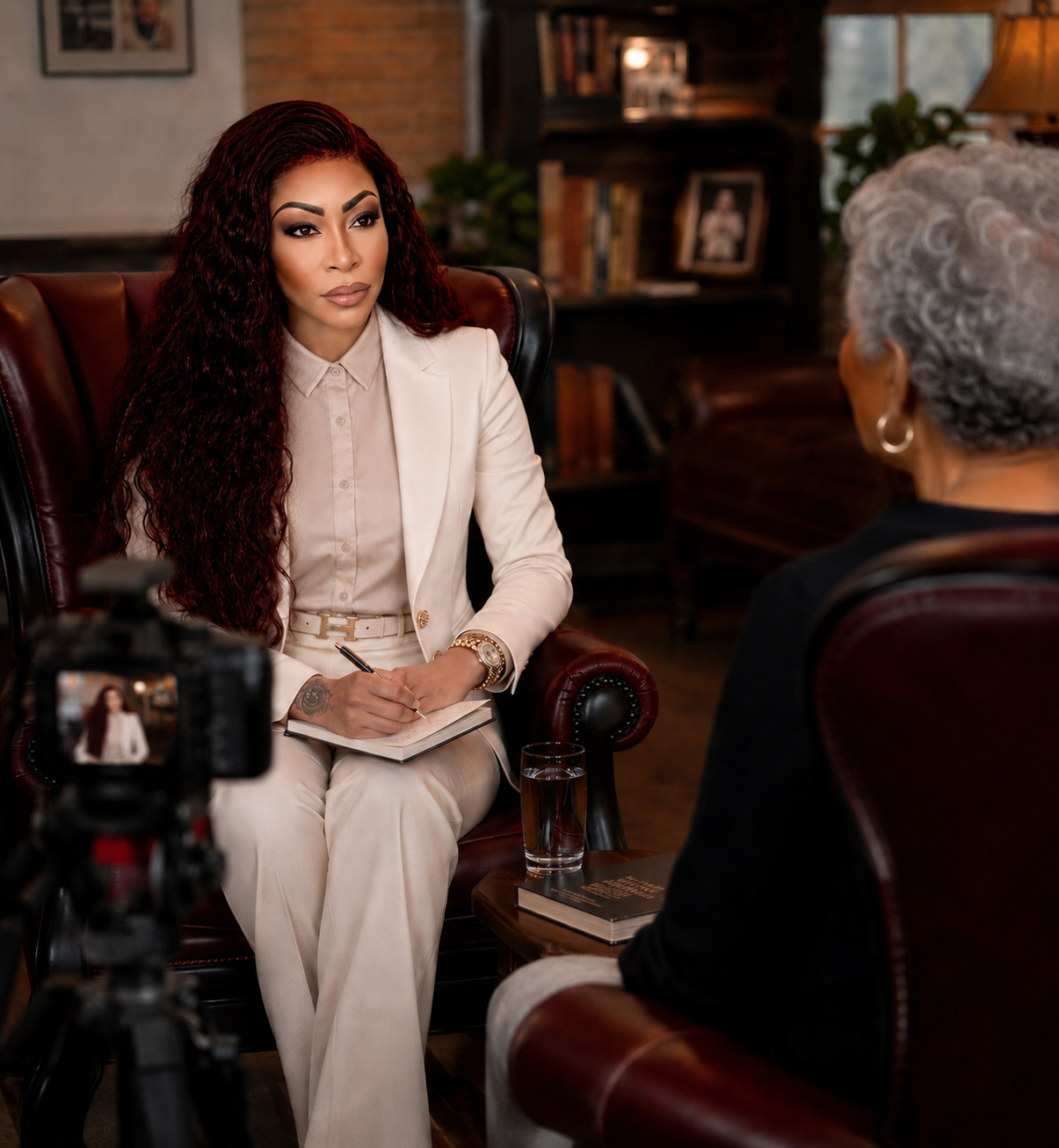
Legacy Interviews are the foundation of Living Legacy Planning. These interviews are professionally guided conversations designed to help a person tell the story of their life with care, dignity, depth, and intention. Rather than asking a few basic questions or collecting a short biography, Legacy Interviews are designed to uncover the memories, experiences, relationships, values, turning points, and personal reflections that make a life truly meaningful.
During a Legacy Interview, the individual is given space to speak, remember, reflect, laugh, cry, revisit meaningful moments, and share the parts of their story that they want their family to know. The process is personal, unrushed, and respectful. Some people come into the interview knowing exactly what they want to say. Others need gentle prompts, thoughtful questions, and time to remember. Both are welcome.
These interviews can be especially powerful because many people have never been formally invited to tell their life story. They may have lived through major historical events, family transitions, migrations, military service, business ownership, ministry, caregiving, parenthood, grief, survival, love, loss, faith, and personal transformation, yet no one has ever sat down and asked them to share it all in a meaningful way.
Legacy Interviews create that opportunity. They allow the person to speak from their own perspective instead of leaving family members to guess later. The interview becomes a living record of who they are, what they experienced, what mattered to them, what shaped them, and what they hope will be remembered.
Legacy Interviews May Explore
- Childhood memories and early family life
- Parents, grandparents, siblings, and family roots
- Cultural traditions, hometown memories, and family customs
- Education, work history, career milestones, and entrepreneurship
- Marriage, love stories, parenting, and family relationships
- Faith, spirituality, ministry, values, and personal beliefs
- Military service, community service, or civic involvement
- Challenges, losses, turning points, and seasons of resilience
- Favorite memories, proudest moments, and life accomplishments
- Lessons learned, advice, blessings, and messages for future generations
Interviewing the Person Directly
The heart of this service is the direct interview with the person whose life is being preserved. This may be a parent, grandparent, spouse, elder, veteran, minister, matriarch, patriarch, business owner, caregiver, or any individual who wants their story documented with care. The goal is not to force a rigid timeline, but to allow their life story to unfold naturally while still being guided with structure.
Some interviews begin with childhood. Others begin with family, faith, marriage, career, or a defining life moment. The conversation is shaped around the person. Sacred Legacy listens for meaningful themes, emotional details, repeated values, important relationships, and memories that can later be developed into a written life story, legacy book, obituary, ethical will, or family history project.
Interviewing Family Members and Loved Ones
In many cases, Living Legacy Planning may also include interviews with family members and loved ones. These additional interviews help create a fuller and more layered picture of the person’s life. A spouse may remember the love story in a way the individual tells differently. A child may remember sacrifices the parent never mentions. A sibling may remember childhood details. A friend may remember humor, loyalty, or moments of support. A grandchild may remember small gestures that became lifelong treasures.
These family interviews are especially valuable when creating legacy books, family history projects, memorial tributes, or expanded life story writing. They allow the final piece to include more than one perspective while still honoring the central voice of the person whose legacy is being preserved.
Family Interviews May Include
- Spouses sharing marriage memories and family milestones
- Children reflecting on parenting, guidance, sacrifice, and love
- Siblings sharing childhood memories and family background
- Grandchildren sharing personal memories and special moments
- Friends sharing stories of character, humor, loyalty, and support
- Faith leaders, colleagues, or community members sharing impact and service
Turning Interviews Into Written Legacy Content
The interview itself is only the beginning. Once the stories are gathered, the content can be shaped into meaningful written pieces. Depending on the family’s needs, the interview material may be used to create a polished life story, an expanded biography, a legacy book, a pre-written obituary, family history chapters, personal letters, ethical will content, video message scripts, or memorial planning notes.
The goal is not to erase the person’s voice or make the story sound generic. The goal is to preserve their voice while shaping the writing so it feels clear, cohesive, respectful, and lasting. The final writing should still feel like them. It should carry their personality, their values, their journey, and their truth.
2
Life Story Writing
Transforming memories, interviews, and family history into a professionally written narrative.
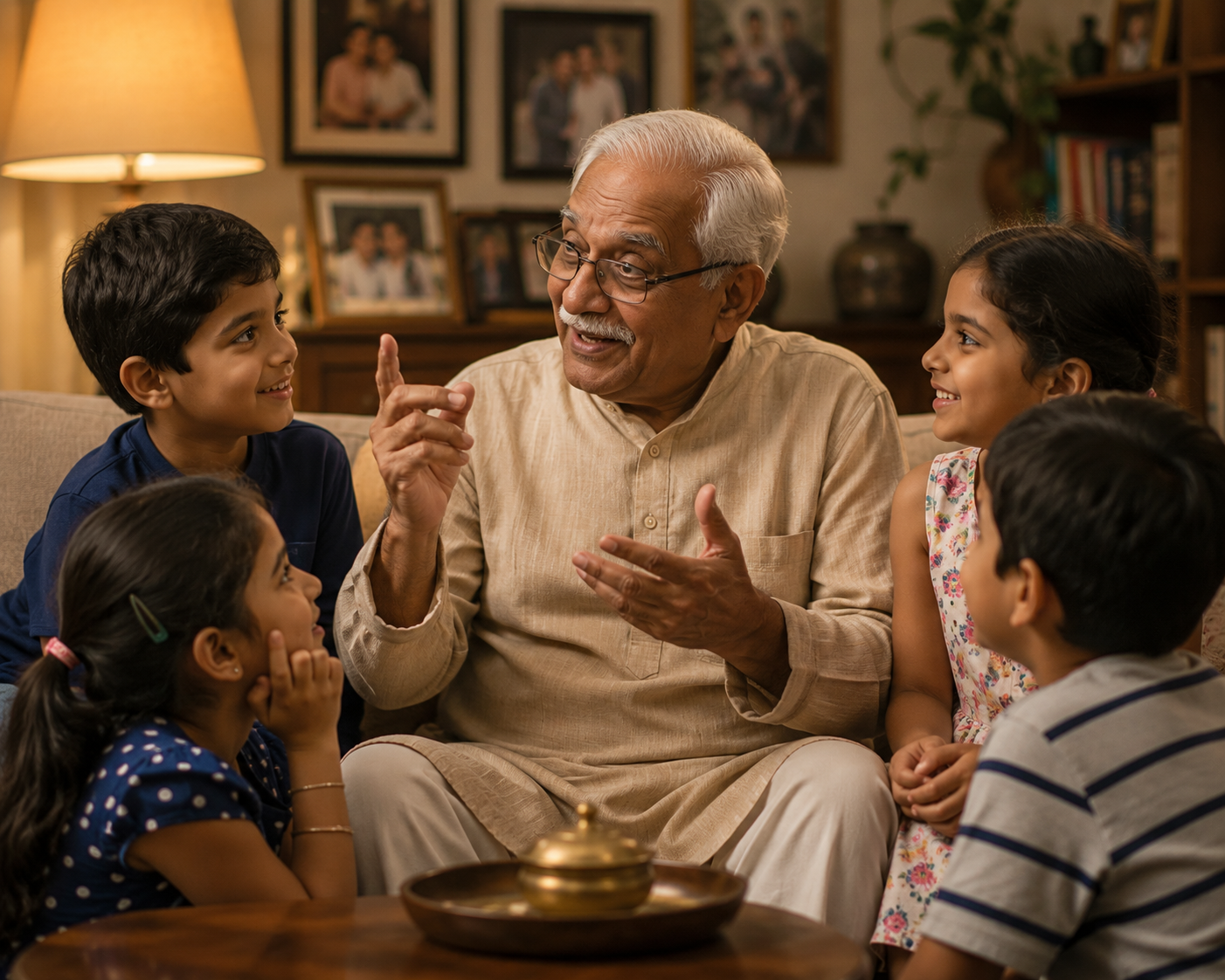
Life Story Writing transforms personal memories, family interviews, photographs, records, and reflections into a professionally written narrative. While a legacy interview captures the spoken story, Life Story Writing organizes those memories into a meaningful written account that can be preserved, printed, shared, and passed down.
This service allows a person to tell their story while they are still here to tell it. It creates room for details that may never fit into a traditional obituary: childhood memories, family traditions, love stories, career experiences, faith journeys, turning points, lessons learned, and messages for future generations.
Sacred Legacy writes with the goal of preserving the person’s authentic voice. The writing should not feel cold, generic, or overly formal. It should feel personal, warm, dignified, and true to the life being documented.
Life Story Writing May Include
- Childhood and family background
- Family ancestry and heritage
- Marriage, relationships, and parenting
- Career, service, ministry, or business accomplishments
- Faith journey and personal values
- Challenges, hardships, healing, and resilience
- Personal achievements and meaningful milestones
- Lessons learned and advice for future generations
Most family records contain names, dates, and locations. What they rarely contain are the emotions, stories, struggles, victories, and personal experiences that make those facts meaningful. Life Story Writing goes beyond documenting what happened. It captures what those experiences meant to the person who lived them.
Completed life stories may be printed as books, included in Legacy Books, preserved digitally, shared with family members, or used as the foundation for future memorial tributes. For many families, the written life story becomes one of the most valuable keepsakes they own because it preserves not only what happened, but who the person truly was.
3
Pre-Written Obituaries
Thoughtfully prepared obituary writing completed in advance and preserved for future use.
Writing an obituary during a time of grief can be emotionally overwhelming. Families are often asked to summarize an entire lifetime while making funeral arrangements, communicating with relatives, handling legal matters, and coping with loss. Important details are often forgotten, omitted, or rushed.
Pre-Written Obituaries allow individuals to participate in telling their own story while they are still able to do so. Rather than leaving loved ones to guess what should be included, the individual can help shape how their life story is presented and remembered.
This process is not about focusing on death. It is about preserving accuracy, protecting family history, and ensuring that meaningful details are not lost. Many people find comfort knowing that their loved ones will not have to start from a blank page during an already difficult time.
Pre-Written Obituaries May Include
- Detailed life history
- Family relationships and genealogy
- Career accomplishments
- Military service
- Faith and ministry involvement
- Community contributions
- Personal interests and hobbies
- Favorite memories and defining moments
- Messages to loved ones
- Future service preferences
One of the greatest benefits of a pre-written obituary is the gift it provides to surviving loved ones. Instead of wondering what should be said, families receive a carefully prepared tribute that reflects the individual’s wishes and preserves the story with thoughtfulness and clarity.
A pre-written obituary can also be updated periodically throughout life as new accomplishments, family additions, milestones, and experiences occur, ensuring that the tribute remains current and complete.
4
Legacy Books
Custom heirloom books created to preserve stories, photographs, family history, and memories.
Legacy Books are custom-designed keepsakes that bring together life stories, photographs, family memories, personal reflections, historical details, and meaningful tributes into one beautifully organized heirloom. These books can be created while a person is living, allowing them to participate in choosing the stories, images, values, and messages they want preserved.
A Legacy Book may be simple and intimate or large and deeply detailed. It may focus on one individual, a couple, a family line, a ministry journey, military service, business legacy, or a multigenerational family history. The purpose is to create something tangible that can be read, held, shared, and passed down.
Legacy Books May Include
- Professionally written life story chapters
- Legacy interview excerpts
- Family photographs and captions
- Family tree or lineage details
- Marriage, parenting, career, faith, and service milestones
- Letters, poems, prayers, scriptures, or personal messages
- Tributes from family members and loved ones
- Historical records, certificates, newspaper clippings, and keepsakes
Unlike a memorial program created after a loss, a Living Legacy Book allows the individual to help tell the story before that time comes. They can identify photographs, explain family relationships, share the meaning behind important milestones, and ensure that the final book reflects their voice and values.
5
Family History Preservation
Preserving names, stories, photographs, traditions, and family records for future generations.
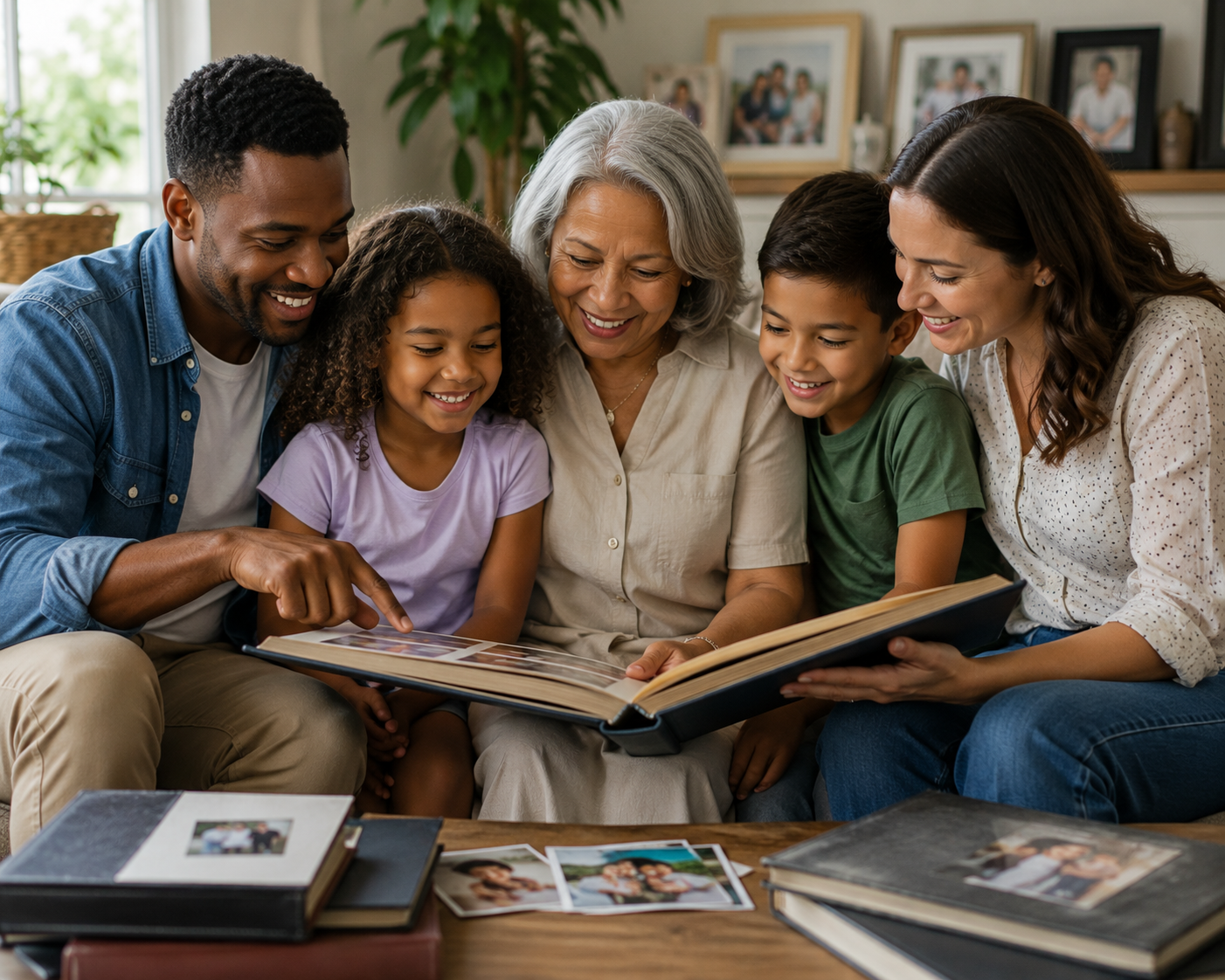
Family History Preservation helps families protect the memories, photographs, stories, names, dates, documents, and traditions that connect generations. Many families have valuable history stored in boxes, albums, phones, old programs, handwritten notes, certificates, funeral booklets, church records, and family stories that have never been organized or properly preserved.
This service helps bring those pieces together in a way that is meaningful, organized, and easier to pass down. It can include identifying people in photographs, documenting family relationships, gathering stories from elders, preserving cultural traditions, recording family sayings, and creating written summaries of important family history.
Family History Preservation May Include
- Photo identification and caption writing
- Family story gathering
- Family timeline development
- Basic family tree organization
- Preservation of family traditions and cultural memories
- Scanning and organizing family keepsakes
- Interviewing elders and relatives
- Creating written family history sections for Legacy Books
When family history is not preserved, future generations may inherit photographs without names, heirlooms without stories, and family lines without context. Family History Preservation helps prevent that loss by organizing what families already have and documenting what still needs to be remembered.
6
Ethical Wills
Personal legacy documents that share values, wisdom, blessings, beliefs, and life lessons.
An ethical will is not a legal will and does not distribute property. Instead, it is a personal legacy document that allows someone to pass down values, wisdom, blessings, beliefs, life lessons, hopes, and messages to the people they love.
Where a legal will explains what someone leaves behind materially, an ethical will explains what someone wants to leave behind emotionally, spiritually, and personally. It may include lessons learned, regrets, gratitude, family values, faith reflections, encouragement, apologies, blessings, or hopes for future generations.
Ethical Wills May Include
- Personal values and beliefs
- Faith reflections and spiritual encouragement
- Life lessons and wisdom
- Messages to children, grandchildren, and loved ones
- Family hopes and blessings
- Reflections on love, forgiveness, resilience, and legacy
Sacred Legacy helps guide the writing process so the final document feels heartfelt, organized, and true to the individual’s voice.
7
Legacy Letters
Personal letters written for loved ones, future milestones, or family remembrance.
Legacy Letters are personal written messages created for loved ones to read now or in the future. These letters may be written to children, grandchildren, spouses, siblings, parents, close friends, ministry members, or future generations.
Some people use Legacy Letters to express love and gratitude. Others use them to share advice, blessings, apologies, encouragement, memories, or faith-filled messages. These letters can be deeply meaningful because they allow individuals to say what matters most in their own words.
Legacy Letters May Be Written For
- Children and grandchildren
- Spouses or life partners
- Future birthdays, weddings, graduations, or milestones
- Family members who need encouragement
- Faith communities, mentees, or close friends
- Future generations who may never meet the writer personally
Legacy Letters may be preserved individually, included in a Legacy Book, paired with photographs, or stored as part of a complete Living Legacy Planning file.
8
Video Legacy Messages
Recorded messages that preserve voice, expression, personality, and personal words.
Video Legacy Messages allow individuals to speak directly to their loved ones through recorded messages. These recordings preserve more than words. They preserve voice, expression, tone, presence, personality, emotion, and the natural way a person communicates.
Video messages may be created for family members, future generations, special milestones, or as part of a complete legacy archive. Some people choose to record advice, prayers, blessings, family memories, stories, or personal reflections.
Video Legacy Messages May Include
- Personal messages to loved ones
- Family stories and memories
- Words of wisdom and encouragement
- Faith reflections, prayers, or blessings
- Messages for future milestones
- Recorded explanations of photographs, heirlooms, or family traditions
For many families, hearing a loved one’s voice again becomes priceless. A written story preserves the words, but a video message preserves the presence.
9
Memorial Pre-Planning
Organized planning support for future memorial details, tribute preferences, and family guidance.
Memorial Pre-Planning gives individuals and families a way to organize important memorial preferences before a time of loss. This does not replace legal, medical, financial, funeral home, or estate planning services. Instead, it focuses on the personal, storytelling, tribute, and remembrance details that families often struggle to gather later.
This may include preferred obituary details, photographs, scriptures, songs, readings, service style, tribute themes, family contacts, memorial book preferences, online tribute wishes, photo restoration needs, and instructions for how the person would like their story to be honored.
Memorial Pre-Planning May Include
- Obituary preparation notes
- Preferred photographs for memorial use
- Favorite scriptures, poems, songs, or readings
- Memorial book or program preferences
- Online tribute page preferences
- Family contact organization
- Legacy letter and video message planning
- Photo restoration and family archive notes
Planning ahead can reduce confusion and emotional pressure for loved ones. It allows families to focus more on grieving, honoring, and gathering together instead of trying to make every decision under stress.
Explore Related Sacred Legacy Services
Planning Ahead Obituary Preparation Service Obituary & Memorial Book Packages Submit An Obituary Memorial & After-Loss Concierge Services Photo Restoration Services Partnership OpportunitiesBegin Your Living Legacy Planning Request
Use the form below to begin your Living Legacy Planning inquiry. Sacred Legacy Memorial Concierge will review your request and follow up regarding your story, family history needs, interview options, writing goals, legacy book interest, and planning timeline.